
Contact

Promoting informed choice

including awareness of

Bloodless medicine options

without coercion.

Connection

Connection

Connection

Community Conversations & Webinars

Our intimate webinars create safe spaces for families, providers, and advocates to learn, listen, and grow together. We want to hear from you! Bring your questions, your concerns, your lived experiences. Health Advocacy & Health Literacy Initiatives Resources that teach children and caregivers how to ask questions, understand options, and participate in care decisions. We love to talk solutions!

We Are All Warriors...

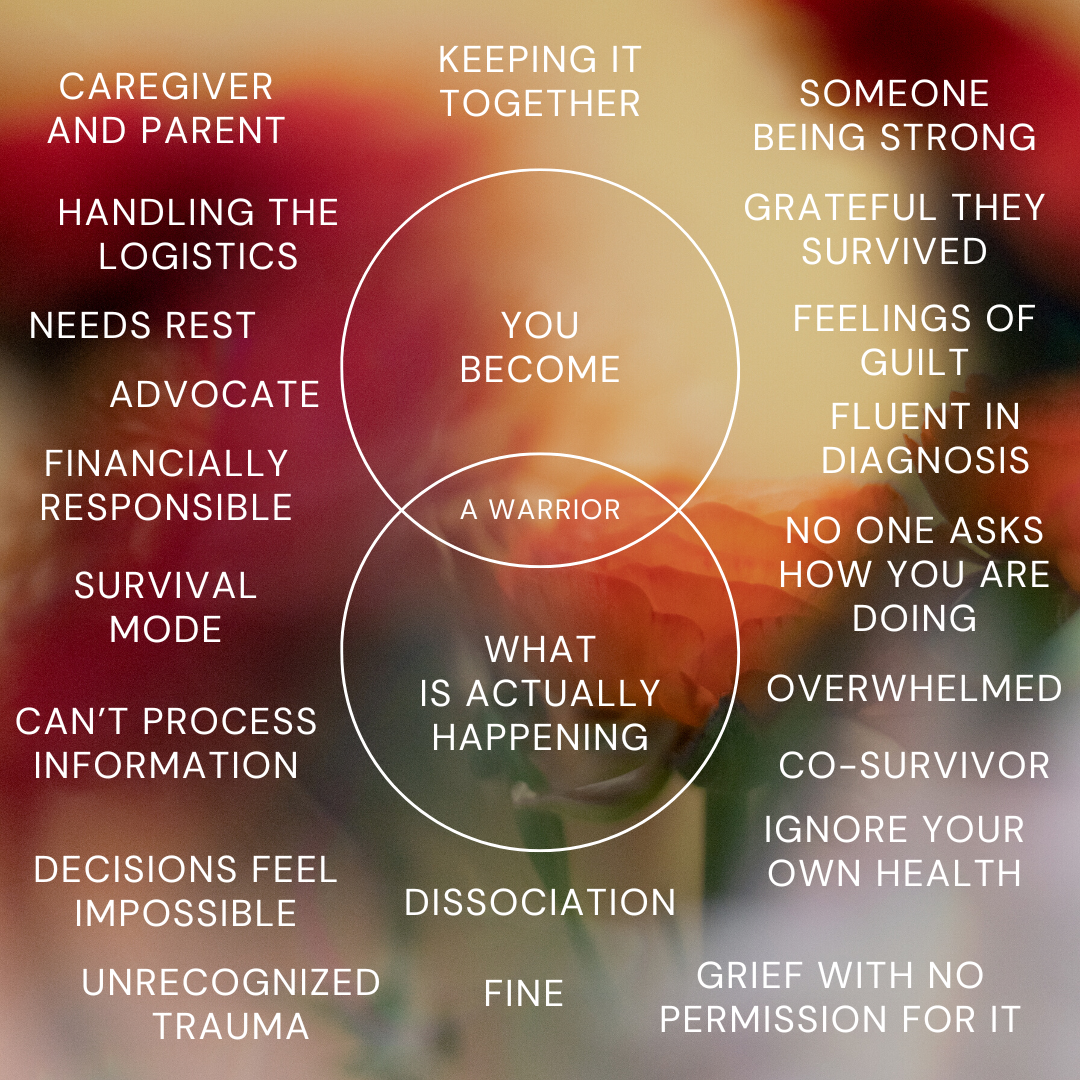
Health literacy is more than understanding medical terms — it’s about survival, decision-making, and dignity. For many patients and families, especially in the chronic illness and rare disease community, the learning curve is steep and relentless. You’re expected to quickly understand complex information, advocate effectively, and make life-altering decisions — often while exhausted, afraid, and in pain. And in the middle of that… something we don’t talk about enough: Caregiver guilt. Survivor’s guilt. Mental shutdown. Caregivers carry the weight of “Am I doing enough?” Survivors carry the quiet question of “Why am I still here when others aren’t?” These thoughts don’t make you weak — they make you human. Sometimes the overwhelm becomes so heavy that your mind does what it has to do to protect you… it pauses. You forget things. You avoid decisions. You go quiet. Not because you don’t care — but because you care so deeply that your system is overloaded. We need to normalize this. We aim to: ✨ Create space for people to ask questions without shame ✨ Slow down medical conversations so they can actually be understood ✨ Support caregivers as whole humans, not just helpers ✨ Acknowledge the emotional weight survivors carry Health literacy is not just about access to information — it’s about access to support, compassion, and understanding. If you’ve ever felt overwhelmed to the point of shutdown, you are not alone. If you’ve ever questioned yourself as a caregiver or survivor, you are not alone. And if you’re still showing up — even in the smallest way — that matters more than you know.


Your Voice Matters

Questions Families Can Ask Their Doctors

You have the right to understand, to ask questions, and to make choices that feel right for your family.

1. Understanding the Diagnosis

For Parents

  • What is the diagnosis in plain language?
  • How certain are you about this diagnosis?
  • Are there other possible explanations for these symptoms?
  • What tests confirm this diagnosis, and are they required now?

For Children (Kid-Friendly)

  • What do you think is happening in my body?
  • Can you explain it in a way I can understand?
  • Is this something that will go away or something I’ll learn to manage?

2. Understanding the Recommended Treatment

For Parents

  • What is the standard treatment, and why is it commonly used?
  • What is the goal of this treatment?
  • How soon do we need to decide?
  • What happens if we choose to wait or monitor instead?

For Children

  • What will this treatment do to help me?
  • Will it hurt or feel uncomfortable?
  • How long will it last?

3. Exploring All Options (Not Just One)

For Parents

  • What are all available treatment options?
  • Are there less invasive or alternative approaches?
  • What are the benefits and risks of each option?
  • Are there non-medical or supportive therapies we can consider?

For Children

  • Are there different ways to help me feel better?
  • Can I choose between options?
  • What happens if I don’t like how one option feels?

4. Risks, Side Effects, and Long-Term Impact

For Parents

  • What are the short-term and long-term side effects?
  • How might this affect my child’s growth, development, or emotions?
  • Are there risks that are rare but serious?
  • How will we know if the treatment is not working?

For Children

  • Are there any bad feelings I might have?
  • What should I tell you if something doesn’t feel right?
  • Can we stop if I feel scared or sick?

5. Personal Beliefs, Values, and Boundaries

For Parents

  • Are there treatment options that align with our family’s beliefs?
  • Can this plan be adjusted to respect our values?
  • Are there components of this treatment that are optional?
  • Can we say no to parts of the protocol?

For Children

  • Do I have to do anything I’m not comfortable with?
  • Can my parent stay with me?
  • Can I ask for a break or say stop?

6. Consent, Control, and Comfort

For Parents

  • How will consent be handled at each step?
  • How will my child be supported emotionally?
  • Who will be present during procedures?
  • How do we document our preferences in the medical record?

For Children

  • Will you tell me what you’re doing before you do it?
  • Can I ask questions during the visit?
  • Can I say “pause” or “stop”?

7. If We Choose a Different Path

For Parents

  • What happens if we decline this treatment?
  • Can you help us monitor symptoms safely?
  • When should we come back or reassess?
  • Can you document that we made an informed choice?

For Children

  • What happens next if we don’t do this today?
  • Will I still be taken care of?
  • When do I come back?

8. Second Opinions and Advocacy

For Parents

  • Would you support us in getting a second opinion?
  • Can you refer us to another specialist?
  • Are there patient advocates or social workers available?
  • Where can we find trustworthy, unbiased information?

For Children

  • Can another doctor help explain this too?
  • Can someone help my parent and me understand?

9. Red-Flag Questions (When Something Feels Off)

These questions help families slow things down when pressured.

  • Is this an emergency or do we have time to think?
  • Why does this need to be done today?
  • What are the risks of not doing this right now?
  • Can you explain this again more slowly?

10. Closing the Visit With Clarity

For Parents

  • Can you summarize our options again?
  • What are the next steps we agreed on?
  • Who do we call if we have questions later?
  • Can we get this information in writing?

For Children

  • What happens next?
  • Who can I talk to if I feel worried?
  • When do I see you again?

Important Reminder for Families

You are not being “difficult.”
You are practicing informed consent.

You are allowed to:

  • Ask questions
  • Say no
  • Ask for time
  • Ask for alternatives
  • Change your mind

Believe you can and you're halfway there. Believe you can and you're halfway there.

Get in touch with us!

At the Welcome to the World Warrior Foundation, we believe education should be empowering, relatable, and rooted in real-life experiences. We love connecting with communities through speaking engagements, workshops, and outreach events that uplift and inform.

From hospitals to classrooms to community spaces, we create meaningful conversations around:

Living with sickle cell and chronic illness

Building confidence in healthcare settings

Supporting children and families through their journey

Healing through creativity, storytelling, and music

Every engagement is interactive, heartfelt, and designed to leave a lasting impact.

Let’s work together to educate and empower.

To inquire about booking or collaboration opportunities, please contact us:

📧 Email: [your email]

📞 Phone: [your phone number]

🌐 Website: [your website]

Please include your organization name, event details, audience type, and preferred dates in your inquiry.

Request a workshop

Phone: 484 431 4291
E-mail: welcomescdwarrior@gmail.com

partner with us

EIN: 41-3054295
Donate on Zeffy

Make a donation today!

Your support does more than fund programs—it launches them.

Community contributions allow us to:

Print and distribute books to hospitals, schools, and families

Expand workshops to underserved and marginalized communities

Develop new educational tools rooted in real lived experience

Ensure programs remain accessible, inclusive, and free or low-cost

When the community shows up, warriors thrive.

You can help welcome the next warrior into a world of understanding and support.

Get involved today:

Partner with us as an organization, school, or healthcare provider

Volunteer your time, skills, or voice

Share our mission and stories with your community

Together, we are building a world where every warrior is welcomed, empowered, and never alone.

contact us

Phone: 1 484 431 4291
E-mail: welcomescdwarrior@gmail.com

Resources

Phone: (215) 829-6504
The Center for Bloodless Medicine and Surgery at Pennsylvania Hospital

Become a bloodless warrior

    Bloodless Warriors Unite

    I've had the pleasure of meeting other bloodless sickle cell warriors and one thing stuck out to me…we knew there would be some of us, but we didn’t know each other and we were the outliers in the sickle cell community. So I created this foundation to encourage us to come together, share what is working, and not feel isolated and alone. 

    Scroll back to top
    Bloodless Warriors unite